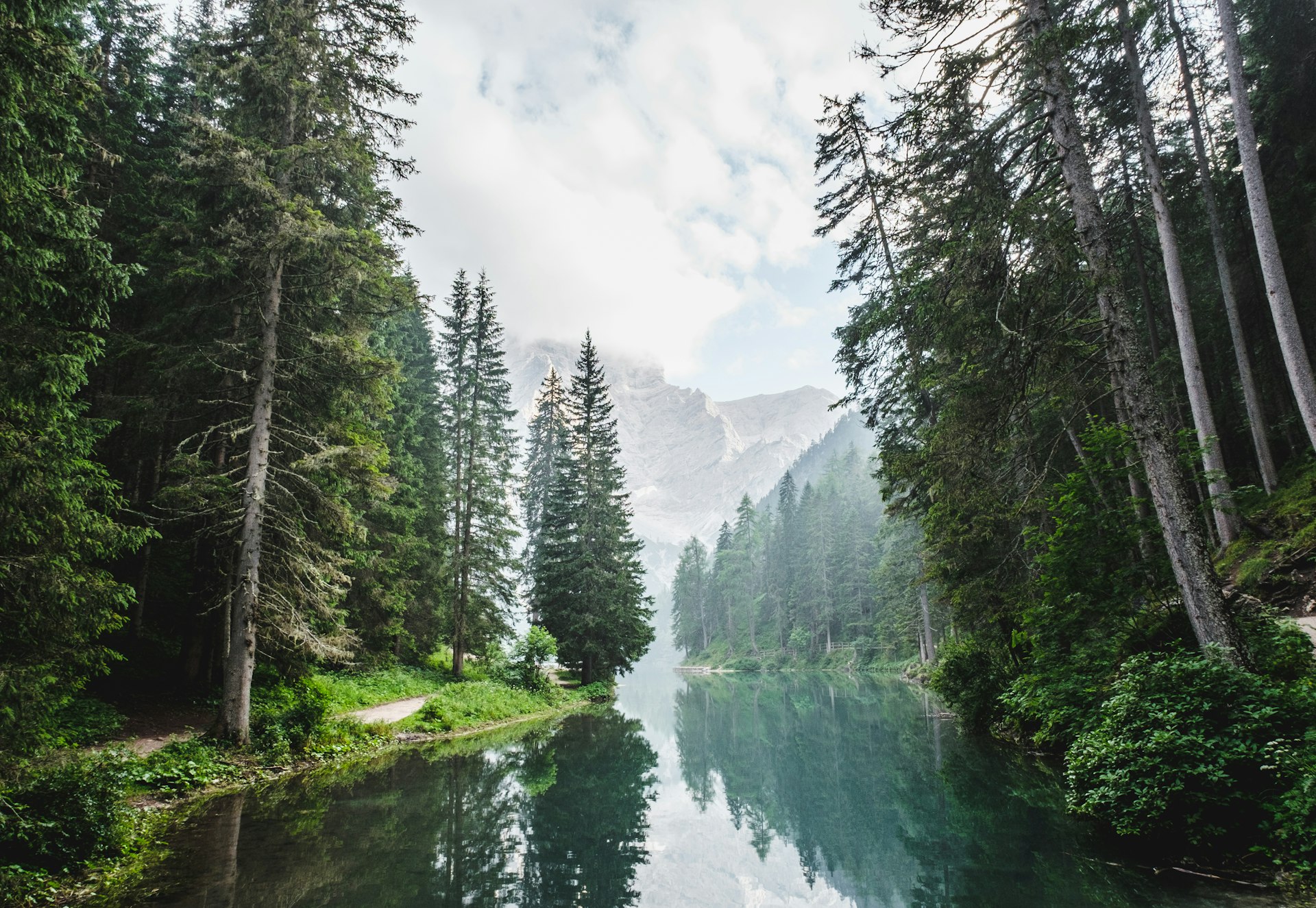
Brush hogging service is a crucial land management practice for property owners in the Seattle Eastside area, including Kirkland, Bellevue, and Redmond. With a dense forest canopy featuring Douglas firs, Western red cedars, and big leaf maples, maintaining clear and usable land can be a challenge. This guide delves into the benefits, costs, and considerations of brush hogging, ensuring you have all the information needed to keep your property pristine.
Key Takeaways
- Brush hogging is ideal for clearing overgrown land efficiently.
- Costs vary based on terrain, accessibility, and vegetation density.
- Local expertise is crucial for navigating environmental regulations.
- Regular maintenance prevents invasive species like Scotch broom.
- Professional services offer tailored solutions for your property needs.
What is Brush Hogging?
Brush hogging, also known as rotary mowing, involves using heavy-duty machinery to clear overgrown vegetation, including small trees, dense brush, and tall grasses. This method is particularly effective in areas with uneven terrain and thick undergrowth, common in the Pacific Northwest. The process helps maintain open spaces, improves land accessibility, and prepares sites for development or agriculture.
Benefits of Brush Hogging in the Pacific Northwest
The Pacific Northwest's unique climate and vegetation make brush hogging a valuable service for property owners. Here are some key benefits:
- Efficient Land Management: Quickly clears large areas compared to manual cutting.
- Prevents Wildfires: Reduces fuel load by removing excess vegetation, lowering fire risk.
- Promotes Healthy Growth: Encourages native plant species by removing invasive plants like Scotch broom.
- Enhances Property Value: Well-maintained land is more attractive and functional, increasing property appeal.

Cost Factors for Brush Hogging Services
The cost of brush hogging can vary significantly based on several factors. Typically, prices range from $50 to $100 per hour, but the total cost depends on:
- Terrain: Steeper slopes or rocky areas can increase labor time and equipment wear.
- Accessibility: Remote or obstructed locations may require more effort to reach.
- Vegetation Density: Heavier brush and tree coverage require more time and fuel.
- Property Size: Larger areas may offer economies of scale, reducing per-acre costs.
Local Regulations and Environmental Considerations
In King County and surrounding areas, property owners must adhere to environmental regulations designed to protect local ecosystems. Before commencing brush hogging, it’s important to:
- Check for any required permits or restrictions, especially near wetlands or sensitive habitats.
- Consult with local agencies to ensure compliance with environmental laws.
- Engage professionals familiar with regional regulations to avoid potential fines or penalties.
Evergreen Land & Forestry specializes in navigating these local requirements, ensuring your project is both legal and environmentally sound.
Choosing the Right Brush Hogging Service
Selecting a reliable service provider is crucial for successful brush hogging. Consider these tips when choosing a contractor:
- Experience and Expertise: Look for companies with extensive experience in the Pacific Northwest.
- Equipment Quality: Ensure they use well-maintained, modern machinery capable of handling your specific landscape needs.
- Reputation: Check reviews and ask for references to gauge past performance.
- Comprehensive Services: Opt for contractors offering additional services like forestry mulching and land clearing to address all your land management needs.

Maintenance and Follow-Up
Regular maintenance is key to keeping your property clear and healthy after an initial brush hogging service. This includes:
- Routine Inspections: Regular checks to address regrowth and prevent invasive species.
- Supplementary Services: Engage in invasive growth removal and hillside mulching as needed.
- Seasonal Planning: Schedule services during optimal seasons to maximize effectiveness.
Frequently Asked Questions
What is the best time of year for brush hogging?
Spring and late summer are ideal for brush hogging in the Pacific Northwest, as these seasons minimize the impact on wildlife and allow for better regrowth management.
Can I do brush hogging myself?
DIY brush hogging is possible with the right equipment and expertise, but hiring professionals ensures compliance with local regulations and optimal results.
How often should I schedule brush hogging?
Frequency depends on your property’s growth rate and intended use. Typically, once or twice a year is sufficient for most land types in the Seattle Eastside area.

Contact Evergreen Land & Forestry for Expert Brush Hogging
For property owners in Kirkland, Bellevue, Redmond, and surrounding areas, Evergreen Land & Forestry offers professional brush hogging services tailored to your land management needs. Contact us today for a free estimate and ensure your property remains healthy, safe, and beautiful.