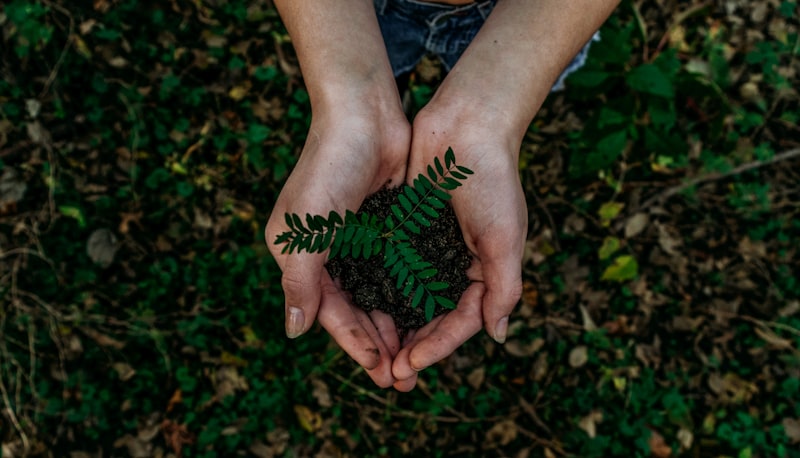
Invasive Growth Removal & Native Habitat Restoration
Take back your land from Himalayan blackberry, scotch broom, English ivy, and other invasive species choking out native habitat across the Seattle Eastside. Our forestry mulching eliminates invasive growth and prevents regrowth.
Professional Invasive Growth Removal
The Pacific Northwest's mild, wet climate makes it a hotbed for invasive plant species. Left unchecked, Himalayan blackberry, scotch broom, English ivy, and Japanese knotweed can overtake entire properties in just a few growing seasons — smothering native trees, destroying habitat, and reducing property value. Our forestry mulching services provide fast, effective invasive removal across Kirkland, Bellevue, Redmond, Woodinville, and the greater Eastside.
Common Invasive Species We Remove
Himalayan Blackberry
The most widespread invasive on the Eastside. Thorny canes form impenetrable thickets that swallow fences, outbuildings, and native vegetation.
Scotch Broom
A King County Class B noxious weed that displaces native plants, increases fire risk, and spreads aggressively through seed dispersal.
English Ivy
Climbs and girdles trees, creates heavy canopy loads that cause tree failure, and forms dense ground cover that prevents native plant regeneration.
Japanese Knotweed
One of the world's most aggressive invasives. Can damage foundations and pavement, and is extremely difficult to eradicate without professional treatment.
How Forestry Mulching Prevents Regrowth
Traditional clearing methods — hand pulling, mowing, and herbicide application — often provide only temporary relief. Invasive plants regrow quickly from root fragments and seed banks. Our forestry mulching approach is different: the mulching head grinds vegetation down to ground level and creates a thick layer of organic mulch that blocks sunlight, suppresses germination, and smothers new shoots. This natural suppression layer dramatically slows regrowth and reduces the need for chemical treatments.
Benefits of Professional Invasive Removal
- Restores native habitat and supports local wildlife
- Complies with King County noxious weed regulations
- Eliminates invasives without herbicide use
- Prevents erosion by leaving root mass and mulch in place
- Increases property value and usable land area
Don't let invasive species take over your property. Whether you're dealing with a small backyard blackberry patch or acres of scotch broom, we have the equipment and expertise to clear it and help your land recover. Contact us for a free on-site assessment anywhere in the Kirkland, WA, Bellevue, WA, Redmond, WA, Woodinville, WA, Issaquah, WA, Renton, WA, Bothell, WA, Sammamish, WA, Mercer Island, WA, King County, Snohomish County area.
Get a Free Invasive Removal Estimate
Tell us about your project and we'll get back to you within 24 hours.
Frequently Asked Questions
Will invasive plants grow back after mulching?
Forestry mulching significantly reduces regrowth by destroying the above-ground plant material and creating a thick mulch layer that suppresses new shoots. Some persistent species like Japanese knotweed may require follow-up treatments, but most invasives like blackberry and scotch broom are effectively controlled with one or two passes.
Which invasive species can you remove?
We remove all common Pacific Northwest invasive species including Himalayan blackberry, scotch broom, English ivy, Japanese knotweed, reed canarygrass, and holly. Our mulching equipment handles everything from ground-level vines to dense thickets of woody invasives up to 6 inches in diameter.
Is forestry mulching environmentally safe for invasive removal?
Yes. Forestry mulching is one of the most environmentally responsible methods for invasive removal. It avoids herbicide use, prevents soil erosion by leaving root systems and mulch in place, and creates conditions for native plants to re-establish. The mulch layer also improves soil health as it decomposes.
Do I need permits to remove invasive plants in King County?
In most cases, no permits are required to remove invasive plants on your own property. In fact, King County classifies many invasives as noxious weeds that property owners are required to control. Properties near wetlands or critical areas may have additional regulations. We can advise on any requirements during your free estimate.
Ready to Get Started?
Call today for a free estimate. We serve a 40-mile radius from Kirkland, WA.
Call: (425) 381-2717