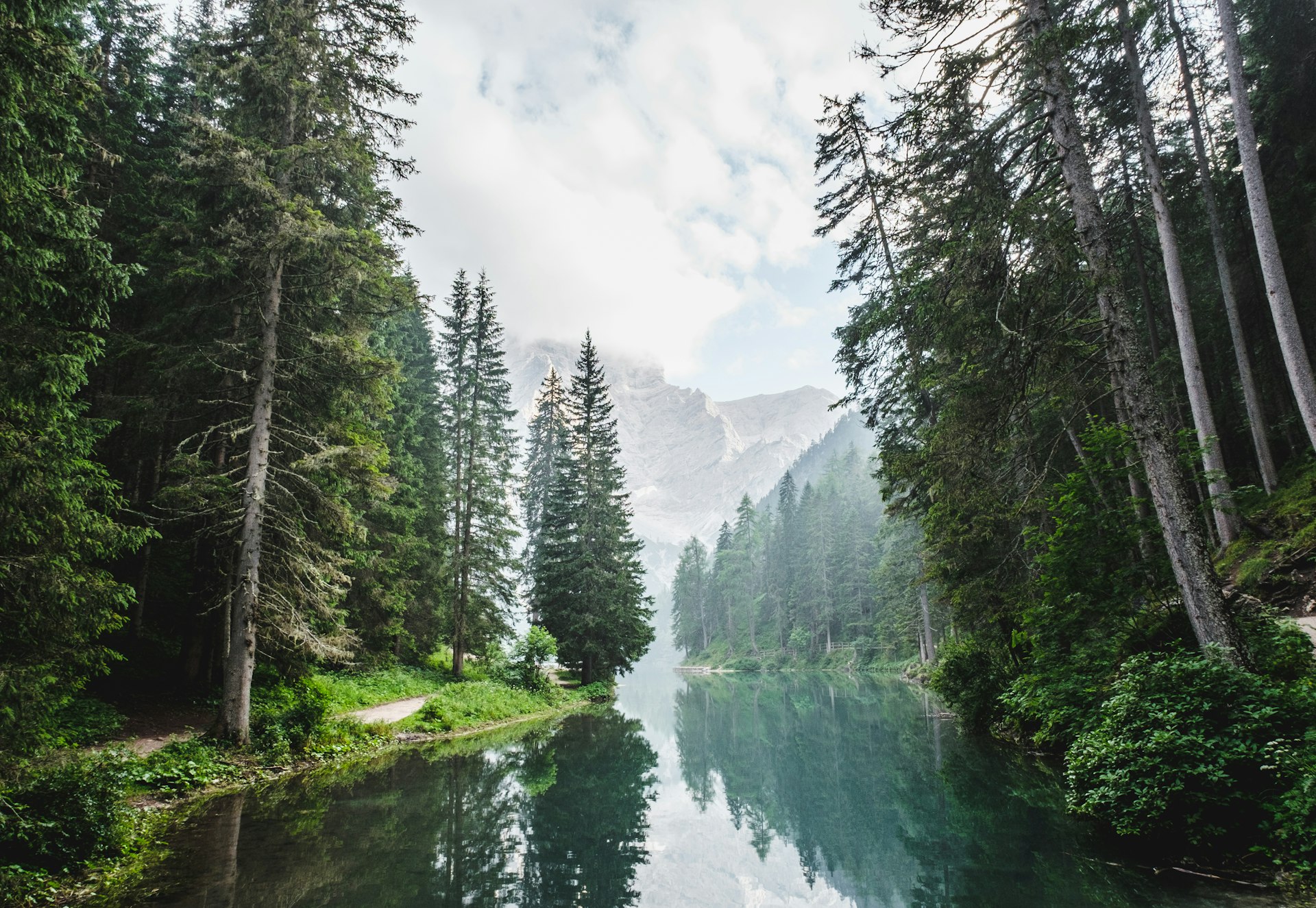
Brush clearing is an essential task for property owners in the Seattle Eastside region. Whether you're maintaining a tidy landscape or preparing land for development, understanding how to effectively clear brush can save time and resources while enhancing your property’s value. In this guide, we delve into the nuances of brush clearing, especially when dealing with the dense vegetation and unique ecological conditions of the Pacific Northwest.
Key Takeaways
- Brush clearing is crucial for property maintenance and fire prevention.
- Costs can vary based on the size of the area and density of vegetation.
- Local regulations may impact brush clearing methods and schedules.
- Professional services offer efficient solutions for complex projects.
- Evergreen Land & Forestry provides expert services in the Seattle Eastside.
Understanding the Importance of Brush Clearing
Brush clearing plays a vital role in maintaining the health and safety of your property. In the Seattle Eastside, where Douglas fir, Western red cedar, and big leaf maple are prevalent, unchecked vegetation can lead to increased fire risks, pest infestations, and obstructed views. Regular clearing prevents invasive species like Scotch broom from overwhelming native plants and ensures that your land remains accessible and visually appealing.
Cost Considerations in Brush Clearing
Understanding the cost factors involved in brush clearing can help you budget effectively. The price typically depends on the size of the area, the density of the brush, and the methods used. On average, professional brush clearing services in King County and Snohomish County can range from $1,000 to $3,000 per acre. Factors that influence costs include:
- Terrain: Steeper or rocky terrains may require specialized equipment, increasing costs.
- Vegetation Density: Dense undergrowth demands more time and labor.
- Accessibility: Hard-to-reach areas may incur additional charges.
- Local Regulations: Compliance with environmental and zoning laws might necessitate specific clearing methods.

To get a more accurate estimate tailored to your property, consider using a land clearing cost estimator.
Methods for Brush Clearing
Different methods can be employed for brush clearing, each with its pros and cons. Here’s a comparison of the most common techniques used in the Seattle Eastside:
| Method | Pros | Cons |
|---|---|---|
| Manual Clearing | Precise, minimal equipment needed | Labor-intensive, time-consuming |
| Forestry Mulching | Efficient, eco-friendly, minimal soil disruption | Requires specialized equipment |
| Chemical Treatments | Effective for invasive species | Environmental concerns, permit required |
| Prescribed Burning | Reduces fuel loads, promotes native vegetation | Risky, heavily regulated |
Local Regulations and Environmental Considerations
Brush clearing in the Seattle Eastside must comply with local regulations designed to protect native ecosystems and prevent soil erosion. For instance, King County requires permits for large-scale land clearing operations, and specific environmental assessments might be necessary to ensure compliance with state laws. It’s crucial to consult local guidelines or a professional service before commencing any major clearing activities.
DIY vs. Professional Brush Clearing
While small brush clearing tasks can be tackled by property owners themselves, larger projects often demand the expertise of professionals. Here’s why:
- Efficiency: Professionals have the equipment and manpower to clear large areas quickly.
- Safety: Experienced crews minimize the risk of injury and damage to property.
- Knowledge: Professionals understand local regulations and environmental considerations.
- Quality: Results are often superior, ensuring thorough clearing and disposal of debris.
Consider consulting with Evergreen Land & Forestry for professional brush clearing services tailored to your needs.
Seasonal Timing and Its Impact
The Pacific Northwest’s climate greatly affects brush clearing activities. The best time for clearing is typically late fall through early spring when vegetation is dormant, and the risk of disturbing wildlife habitats is reduced. During these months, wet conditions also help minimize fire hazards associated with clearing dry brush.

Frequently Asked Questions
What is the best method for clearing brush?
The best method depends on the size and type of vegetation, terrain, and environmental considerations. Forestry mulching is often preferred for its efficiency and minimal environmental impact.
How often should I clear brush on my property?
Regular maintenance is recommended at least once a year, but frequency may increase depending on growth rates and specific property needs.
Are there any permits needed for brush clearing?
Yes, permits may be required for large-scale clearing, especially in environmentally sensitive areas. Check with local authorities for specific requirements.
Can I clear brush myself, or should I hire a professional?
Small projects can often be done by property owners, but larger or more complex tasks should ideally be handled by professionals to ensure safety and compliance with regulations.
How can I prevent regrowth after clearing brush?
Using herbicides, mulching, or planting ground cover can help prevent regrowth. Consultation with a professional service is advisable for effective long-term solutions.
Contact Evergreen Land & Forestry for Expert Brush Clearing
If you're in Kirkland, Bellevue, Redmond, or surrounding areas, Evergreen Land & Forestry offers expert brush clearing services to meet your property management needs. Contact us today for a free estimate and let our team of professionals help maintain your land's beauty and health.