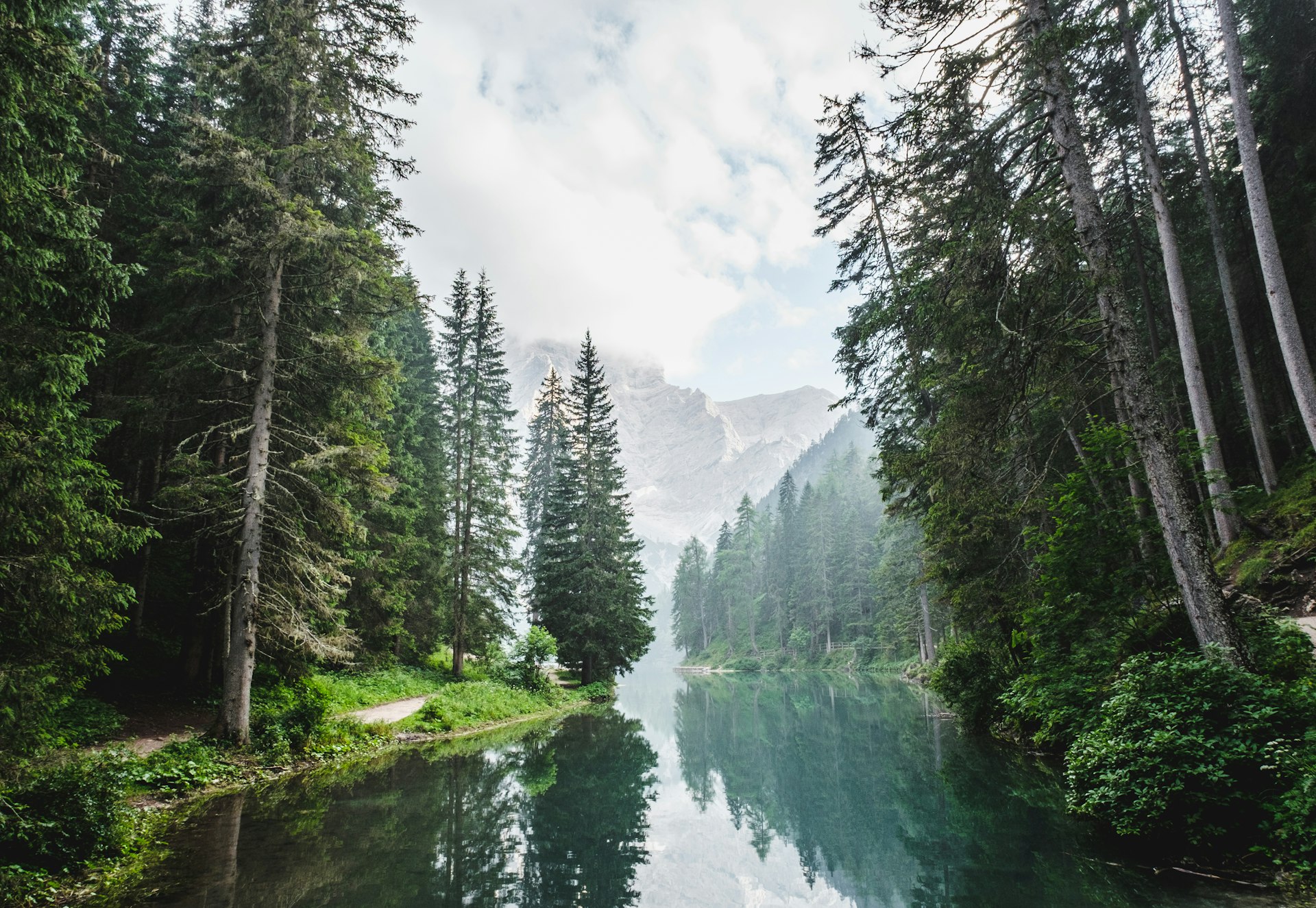
In the lush landscapes of the Seattle Eastside, managing your property often involves dealing with unwanted saplings. Whether these young trees are encroaching on your garden, blocking views, or preparing to outgrow their welcome, efficient sapling removal is crucial. With the right techniques, you can maintain your property's beauty and health while adhering to local conservation practices.
Key Takeaways
- Sapling removal is essential for maintaining property aesthetics and safety.
- Common saplings in the area include Douglas fir, alder, and big leaf maple.
- Removal methods vary from manual extraction to chemical treatments.
- Costs can range from $50 to $200 per sapling, depending on size and location.
- Consulting with professionals ensures compliance with local regulations.
Understanding the Need for Sapling Removal
The Pacific Northwest's mild climate and abundant rainfall create ideal conditions for tree growth. In areas like Kirkland and Bellevue, this means saplings can quickly take root and thrive. While trees like Western red cedar and big leaf maple contribute to the region's natural beauty, unmanaged growth can lead to overcrowding, increased fire risk, and competition for resources with mature trees.

Common Saplings in the Seattle Eastside
Understanding the types of saplings on your property helps in planning their removal. Common species include:
- Douglas Fir: Fast-growing, these can become towering trees, often requiring removal when they infringe on structures or block sunlight.
- Big Leaf Maple: Known for their broad leaves and rapid growth, they're beautiful but can quickly overwhelm small spaces.
- Alder: Often found in wetter areas, these saplings can become problematic near water sources or foundations.
Methods of Sapling Removal
There are several methods to remove saplings, each suited to different situations:
Manual Removal
For homeowners with a few saplings, manual removal using tools like spades and shovels can be effective. This method is environmentally friendly but labor-intensive, best suited for small saplings in accessible areas.
Chemical Treatments
Applying herbicides can be effective for larger areas or when manual removal isn't feasible. It's crucial to use products that are safe for the surrounding ecosystem and comply with local environmental regulations.
Mechanical Removal
For larger properties or commercial projects, machinery such as mulchers can efficiently clear saplings. This method is ideal for extensive projects, but it requires hiring professionals to ensure safety and effectiveness.

Cost Considerations
The cost of sapling removal varies significantly based on several factors:
- Size and Number: Small saplings are cheaper to remove, while larger or numerous saplings increase costs.
- Location: Accessibility can affect labor and equipment costs, especially on steep or densely wooded terrains.
- Method: Manual removal is often cheaper but slower, whereas mechanical removal is faster but more expensive.
Comparing Removal Methods and Costs
| Method | Average Cost | Pros | Cons |
|---|---|---|---|
| Manual | $50-$100 per sapling | Eco-friendly, precise | Labor-intensive, time-consuming |
| Chemical | $100-$150 per treatment | Effective for large areas | Environmental concerns, requires expertise |
| Mechanical | $150-$200 per sapling | Efficient, fast | Costly, requires professional service |
Regulations and Best Practices
Local regulations in King County and Snohomish County often dictate how sapling removal should be conducted. It's important to consult with local authorities or professionals to ensure compliance, especially near protected wetlands or native species habitats. Forestry mulching and land clearing services can provide guidance and expertise.

Frequently Asked Questions
What is the best time of year for sapling removal?
Fall and winter are ideal for sapling removal when trees are dormant, and there's less disruption to the ecosystem. However, removing saplings in spring is possible if handled carefully to minimize soil disturbance.
Can I remove saplings myself, or should I hire a professional?
For small-scale removal, DIY methods can be effective. However, larger projects or those involving delicate ecosystems are best handled by professionals to ensure safety and regulatory compliance.
How do I prevent saplings from regrowing?
After removal, monitoring and maintenance are key. Mulching and applying appropriate herbicides can help prevent regrowth, along with regular property inspections.
Are there specific regulations for sapling removal near water sources?
Yes, removing saplings near streams or lakes often requires permits to protect water quality. Consulting local environmental agencies or professionals is advised.
Conclusion: Why Choose Professional Help
At Evergreen Land & Forestry, we understand the unique challenges of managing sapling growth in the Seattle Eastside. Serving areas like Kirkland, Bellevue, and Redmond, our team offers comprehensive invasive growth removal and land management solutions. Contact us today for a free estimate and ensure your property remains beautiful and healthy.