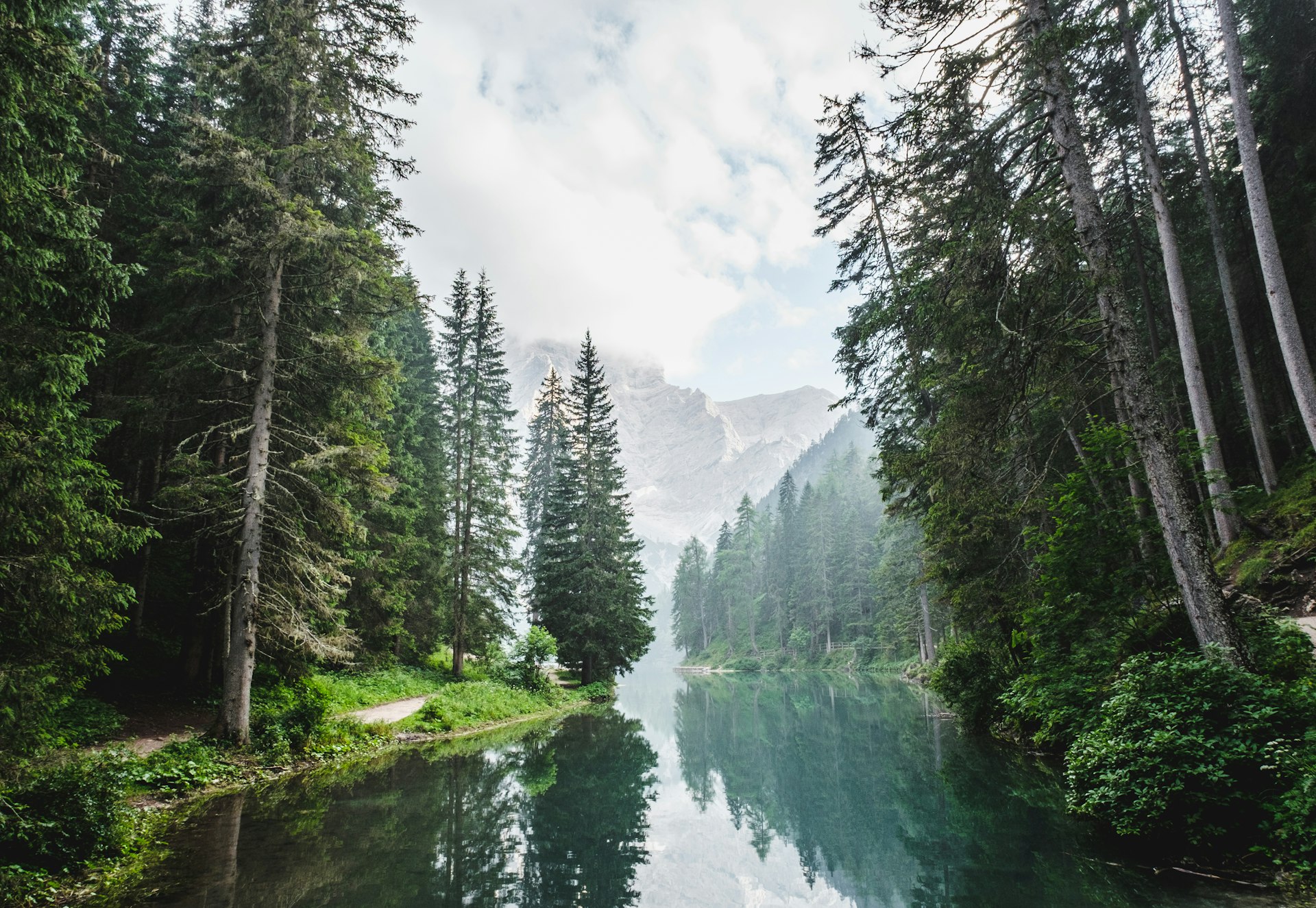
Land clearing is a crucial step for property owners in the Seattle Eastside area, whether you're preparing a site for construction, managing overgrown vegetation, or enhancing your property's aesthetics. In the lush landscapes of Kirkland, Bellevue, and Redmond, effective land clearing requires specialized knowledge of local vegetation and seasonal conditions. Understanding the intricacies can help you make informed decisions and optimize your investment.
Key Takeaways
- Land clearing in the Pacific Northwest demands expertise in local vegetation and climate.
- Seasonal factors significantly impact the timing and cost of land clearing projects.
- Different methods, such as forestry mulching, offer unique benefits and cost structures.
- Understanding local regulations is essential to ensure compliance with environmental standards.
- Professional services can enhance property value and minimize environmental impact.
Understanding the Need for Land Clearing
The lush, dense forests of the Pacific Northwest, rich with Douglas fir and Western red cedar, can quickly encroach on properties, making land clearing a necessary task for many homeowners. Whether it's for new construction, managing invasive species like Scotch broom, or simply improving the usability of your land, clearing can transform your property.
Factors Affecting Land Clearing Costs
Several factors influence the cost of land clearing in areas like Kirkland and Bellevue. These include:
- Size and Density: Larger areas with dense vegetation will naturally cost more.
- Type of Vegetation: Removing small brush differs significantly from clearing mature trees.
- Terrain: Hillsides or wetlands present unique challenges and may require specialized equipment.
- Season: Winter rains can complicate access and increase costs.
Typically, land clearing costs in King County range from $1,200 to $6,000 per acre, depending on these variables.

Choosing the Right Land Clearing Method
There are several methods for land clearing, each with its pros and cons:
| Method | Pros | Cons |
|---|---|---|
| Forestry Mulching | Environmentally friendly, no need for burning, enriches soil | May not be suitable for large trees |
| Bulldozing | Efficient for large areas | Can be destructive, requires debris removal |
| Hand Clearing | Precise, minimal damage to surrounding areas | Labor-intensive, time-consuming |
For most homeowners, forestry mulching offers a balanced approach, preserving soil health while efficiently clearing underbrush and small trees.
Seasonal Considerations for Land Clearing
The Pacific Northwest's climate plays a significant role in scheduling land clearing projects. The wet season, typically from November to March, can make land access difficult. However, this period can also be ideal for clearing, as dormant vegetation is easier to manage. Conversely, summer months provide easier access but may require more dust control measures.
Local Regulations and Environmental Impact
Before beginning any land clearing project, it's crucial to understand the local regulations in King and Snohomish Counties. Permits may be required, especially for large-scale projects or those near water bodies. Adhering to these regulations not only ensures legal compliance but also minimizes environmental impact.
Professional land clearing services, like those offered by Evergreen Land & Forestry, can guide you through this process, ensuring best practices are followed.

Enhancing Property Value Through Land Clearing
Proper land clearing can significantly enhance the usability and value of your property. Whether you're creating space for a new build, clearing trails, or managing invasive growth, a well-maintained property is more attractive to potential buyers and can improve neighborhood aesthetics.
Using trail cutting services or fence line clearing can further optimize your land's functionality.
Frequently Asked Questions
What is the best time of year for land clearing in the Pacific Northwest?
While land clearing can be done year-round, winter months offer the advantage of dormant vegetation, making it easier to manage. However, accessibility can be an issue due to wet conditions.
Do I need a permit for land clearing?
Permits are often required, especially for large-scale projects or if you're near water bodies. It's best to consult with local authorities or professional services to ensure compliance.
How does forestry mulching benefit the environment?
Forestry mulching enriches the soil by turning cleared vegetation into mulch, which decomposes and returns nutrients to the earth, reducing the need for chemical fertilizers.

Contact Evergreen Land & Forestry for Your Land Clearing Needs
If you're a property owner in the Kirkland, Bellevue, or Redmond areas, Evergreen Land & Forestry is here to help. Our expert team understands the unique challenges of land clearing in the Pacific Northwest and is ready to provide you with a free estimate. Contact us today to learn more about our land clearing cost estimator and other services.