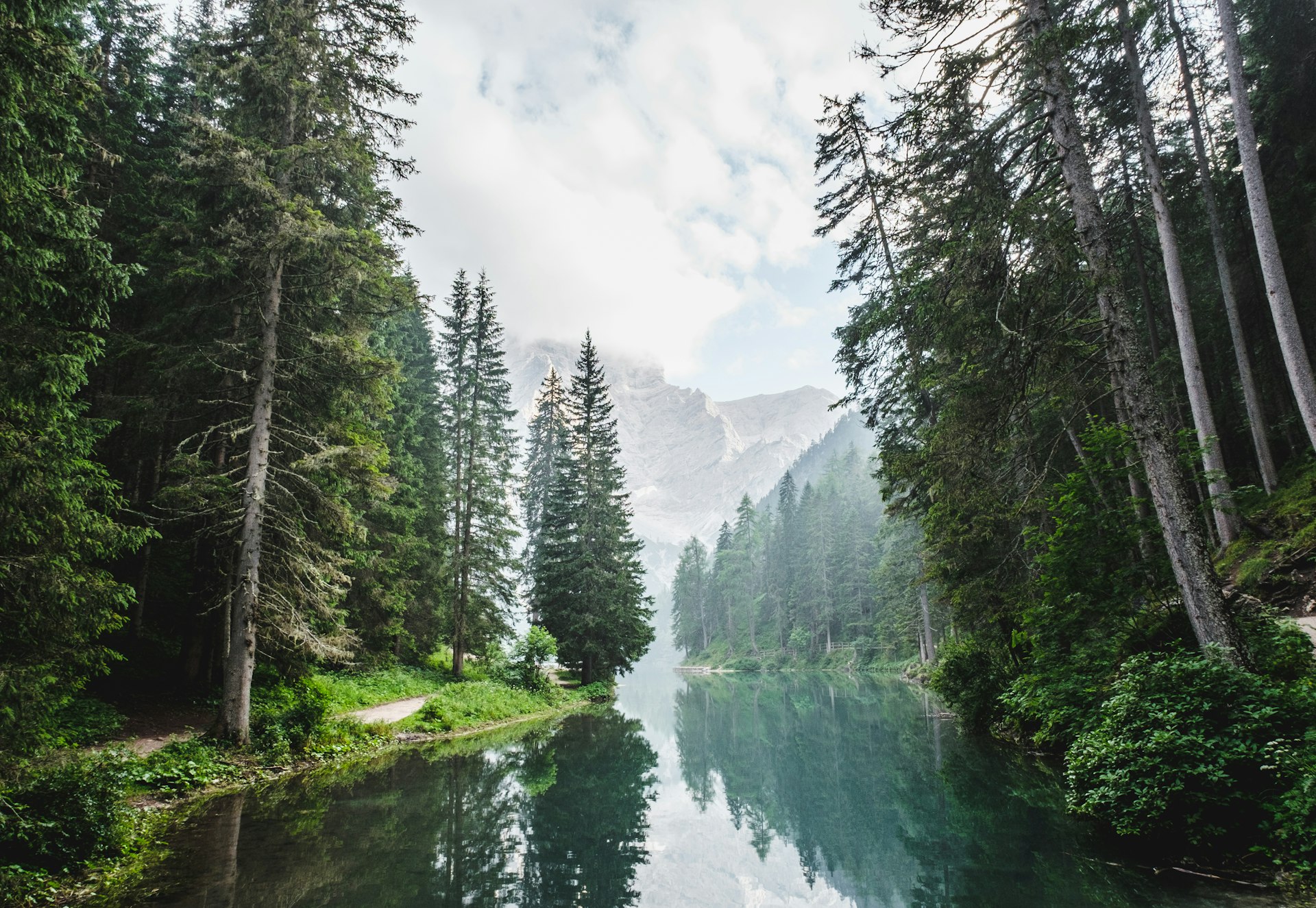
Maintaining a clear and accessible fence line is crucial for property owners in the Pacific Northwest. With the lush and often overgrown vegetation typical of this region, effective fence line clearing is essential to manage property boundaries, enhance security, and preserve the aesthetic appeal of your land. In this guide, we’ll delve into the methods, costs, and local considerations for successful fence line clearing in areas like Kirkland, Bellevue, and Redmond.
Key Takeaways
- Fence line clearing is vital for property maintenance, security, and aesthetics.
- Common methods include manual clearing, mechanical equipment, and forestry mulching.
- Costs vary based on terrain, vegetation type, and method chosen, typically ranging from $500 to $2,500.
- Understanding local vegetation and weather conditions is critical for effective clearing.
- Professional services can ensure compliance with local regulations and efficient clearing.
Why Fence Line Clearing is Important
The dense forests and rapid plant growth of the Pacific Northwest can quickly encroach on fence lines, leading to potential security issues and property boundary disputes. Regular clearing not only prevents these problems but also helps maintain a neat appearance and increases property value. In areas like King County and Snohomish County, this task is especially important given the prevalent vegetation such as Douglas fir, Western red cedar, and invasive species like Scotch broom.

Methods of Fence Line Clearing
Manual Clearing
This traditional method involves using hand tools such as chainsaws, machetes, and pruners. While labor-intensive, manual clearing is effective for small areas with light vegetation or when precision is required.
Mechanical Equipment
For larger properties or heavier growth, mechanical equipment like brush cutters and mulchers can expedite the process. These machines can efficiently handle dense undergrowth and small trees, making them ideal for extensive or commercial land clearing projects.
Forestry Mulching
A highly efficient method, forestry mulching involves grinding vegetation into mulch on-site. This technique is not only quick but also environmentally friendly, as it returns nutrients to the soil. Learn more about our forestry mulching and land clearing services.
Cost Factors and Considerations
The cost of fence line clearing can vary significantly based on several factors:
- Terrain: Steep or uneven terrain can increase costs due to the complexity of the work.
- Vegetation Density: Heavily wooded areas or properties with thick underbrush will require more labor and equipment, raising the price.
- Method Used: Manual clearing is typically less expensive but more time-consuming, while mechanical methods may have higher upfront costs but are faster and more efficient.
In the Seattle Eastside area, property owners can expect to pay anywhere from $500 to $2,500 for professional fence line clearing services, depending on these variables.
| Method | Pros | Cons | Cost Range |
|---|---|---|---|
| Manual Clearing | Precision, low upfront cost | Labor-intensive, slow | $500 - $1,200 |
| Mechanical Equipment | Fast, efficient | Higher cost, requires access | $1,000 - $2,500 |
| Forestry Mulching | Eco-friendly, fast | Specialized equipment needed | $1,500 - $2,500 |

Local Regulations and Environmental Considerations
When undertaking fence line clearing, it’s important to be aware of any local regulations that may affect your project. These can include restrictions on tree removal, noise ordinances, and environmental protection laws, particularly when dealing with wetlands or protected species. Consulting with a professional service provider, such as Evergreen Land & Forestry, can help ensure compliance and avoid costly fines.
Seasonal Timing for Fence Line Clearing
The best time for fence line clearing in the Pacific Northwest is typically during the late fall and winter months. During this period, many plants are dormant, making them easier to remove. Additionally, the ground is often firmer, providing better traction for equipment.
- Fall: Prepare for winter by clearing out accumulated growth and debris.
- Winter: Tackle larger clearing projects when vegetation is dormant.
- Spring: Ideal for minor touch-ups and maintenance, as new growth begins.

Frequently Asked Questions
How often should I clear my fence line?
It depends on the growth rate of vegetation in your area. Typically, annual clearing is recommended to prevent overgrowth and maintain clear boundaries.
Can I clear my fence line myself?
While possible for small areas, DIY fence line clearing can be challenging due to dense vegetation and the need for specialized equipment. Professional services are often more efficient and effective.
What are the benefits of using forestry mulching?
Forestry mulching is eco-friendly, reduces soil erosion, and improves soil health by restoring nutrients. It's also faster and less disruptive than traditional clearing methods.
Contact Evergreen Land & Forestry for Expert Fence Line Clearing
If you’re a property owner in Kirkland, Bellevue, Redmond, or surrounding areas, and need professional fence line clearing services, Evergreen Land & Forestry is here to help. Our team is equipped with the latest technology and local expertise to ensure your property is maintained to the highest standards. Contact us today for a free estimate and let us assist you in keeping your property boundaries clear and beautiful.