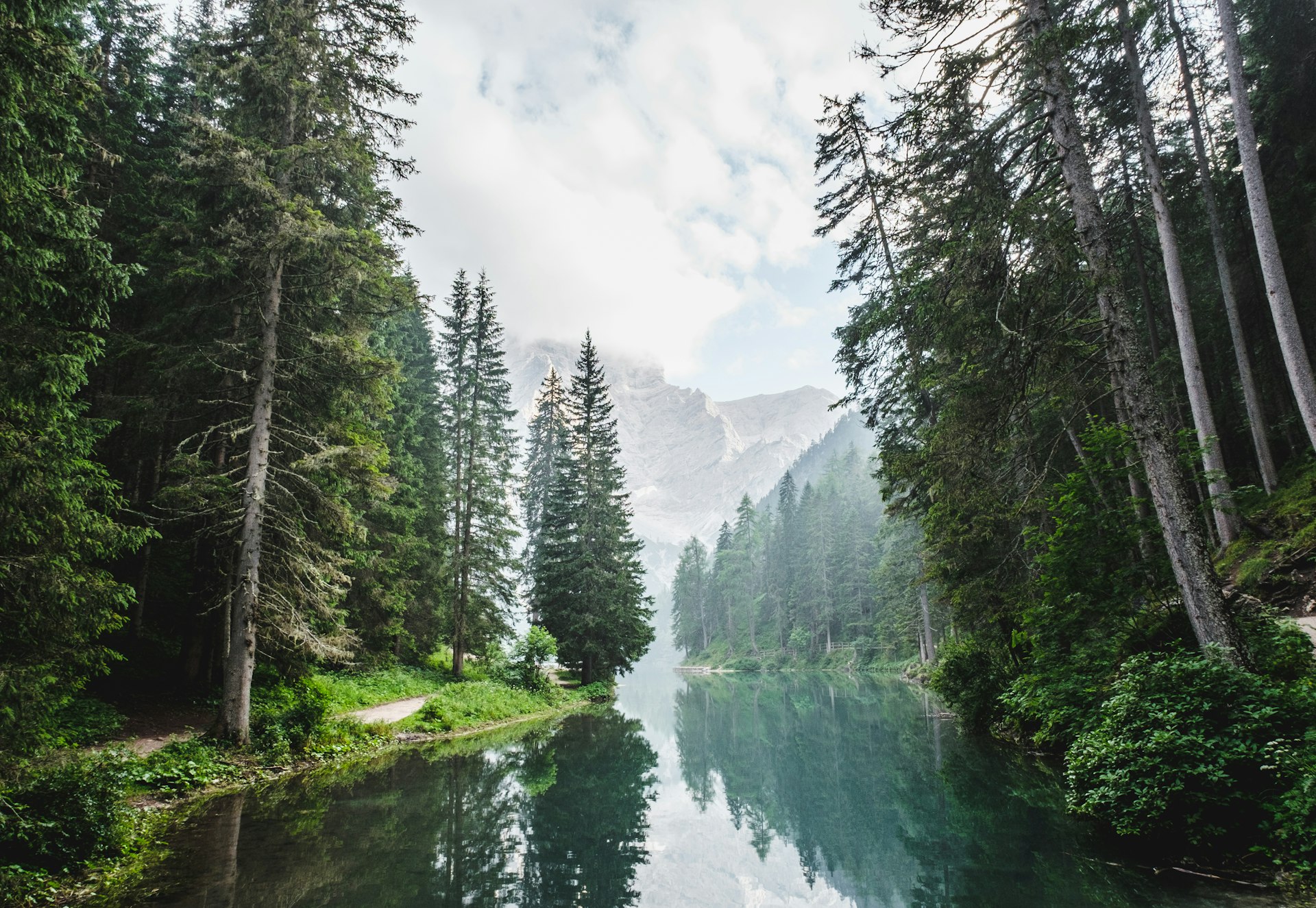
Forestry mulching is an innovative land management technique that is gaining traction among property owners in the Seattle Eastside, including Kirkland, Bellevue, and Redmond. This method not only clears land effectively but also enhances soil health and prevents erosion. In this guide, we delve into the benefits of forestry mulching, provide practical advice tailored to the Pacific Northwest, and discuss cost considerations to help you make informed decisions.
Key Takeaways
- Forestry mulching is an eco-friendly land clearing method suitable for the Pacific Northwest.
- It involves using specialized machinery to grind vegetation into mulch.
- Mulching helps improve soil health and controls erosion.
- Expect costs to range between $1500 to $2500 per acre, depending on terrain and density.
- Local tree species like Douglas fir and Western red cedar are ideal for mulching.
What is Forestry Mulching?
Forestry mulching is a land clearing technique that uses a single machine to cut, grind, and clear vegetation. The process involves a mulcher, which is a specialized machine equipped with a rotating drum that grinds trees, shrubs, and brush into mulch. This mulch is then left on the ground to decay, providing a natural barrier against erosion and helping to retain soil moisture.
Benefits of Forestry Mulching in the Seattle Eastside
The Seattle Eastside region, known for its lush greenery and dense forests, can particularly benefit from forestry mulching. Here are some advantages:
- Environmentally Friendly: Mulching recycles organic matter back into the soil, enriching it naturally.
- Cost-Effective: By reducing the need for multiple machines or laborers, forestry mulching can be more affordable than traditional clearing methods.
- Prevents Erosion: The mulch layer helps stabilize the soil on slopes and hillsides, which is crucial in areas like Issaquah and Renton.
- Efficient Land Management: Perfect for clearing trails, fence lines, and removing invasive species.

How Forestry Mulching Works
The process begins with an assessment of the site to determine the type of vegetation and the best approach. Once the plan is set, the mulcher is brought in. This machine operates efficiently, grinding vegetation into small pieces that are evenly distributed across the area. The result is a layer of mulch that integrates into the soil, providing nutrients and aiding in water retention.
Equipment Used in Forestry Mulching
Forestry mulchers come in various sizes and capabilities. For residential and small commercial projects, smaller machines are often sufficient. However, for larger tracts of land, such as those in Mercer Island or Snohomish County, larger machines may be necessary.
Considerations for Hiring a Forestry Mulching Service
When selecting a forestry mulching service, consider their experience, the types of machinery they use, and their familiarity with local vegetation. A company like Evergreen Land & Forestry offers tailored solutions for the diverse landscapes of the Seattle Eastside.
Cost Factors for Forestry Mulching
Several factors influence the cost of forestry mulching:
| Factor | Impact on Cost |
|---|---|
| Terrain Difficulty | Steeper or more uneven terrain can increase costs. |
| Density of Vegetation | Higher density may require more time and effort, raising costs. |
| Size of Area | Larger areas may benefit from bulk pricing. |
On average, forestry mulching can cost between $1500 and $2500 per acre in this region. For precise estimates, consider using a land clearing cost estimator.

Practical Tips for Forestry Mulching in the Pacific Northwest
To maximize the benefits of forestry mulching, consider these practical tips:
- Plan for Seasonal Conditions: Wet winters can affect equipment access and effectiveness. Aim for drier months.
- Identify Key Areas: Focus on invasive growth removal and areas that benefit most from improved soil conditions.
- Work with Local Experts: Partner with companies familiar with regional vegetation and climate.
Frequently Asked Questions
What types of vegetation are best suited for forestry mulching?
Forestry mulching is ideal for a range of vegetation, including Douglas fir, Western red cedar, and alder. These species are common in the Seattle Eastside.
Is forestry mulching environmentally sustainable?
Yes, forestry mulching is considered environmentally sustainable as it recycles organic material back into the soil, enhancing soil health and supporting local ecosystems.
Can forestry mulching be used on steep hillsides?
Yes, forestry mulching is effective on steep hillsides. The mulch layer helps prevent erosion and stabilize the soil, making it a preferred method for hillside mulching.

Contact Evergreen Land & Forestry for Expert Forestry Mulching
If you're considering forestry mulching in the Kirkland, Bellevue, or Redmond area, contact Evergreen Land & Forestry for a free estimate. Our expertise in the Pacific Northwest ensures that your land is managed sustainably and effectively. Visit our forestry mulching and land clearing page to learn more about our services.